


Alpha Flight 阿爾法飛行隊 アルファフライト


Alpha Flight is a fictional team of Canadian superheroes appearing in American comic books published by Marvel Comics. The characters premiered in The Uncanny X-Men #120 (April 1979), and were created to serve as part of the X-Men member Wolverine's backstory. Marvel published an Alpha Flight comic book series from 1983 to 1994. The team serves as Marvel's premier Canadian superhero team akin to America's Avengers.
Created by British-born Canadian-raised writer and artist John Byrne, the team's leader - Weapon Alpha (later renamed to Guardian), first appeared in The Uncanny X-Men #109. The full team, which was also created by Byrne, then first appeared in a two-part story in The Uncanny X-Men #120 and 121. Byrne never intended the team to be an ongoing title. He created them "merely to survive a fight with the X-Men" for the purposes of that story. Marvel convinced Byrne to feature them in their own series as a way to capitalize on Byrne's soaring popularity with comics fans at the time, but he never found them to have compelling stories or backgrounds and left the title after writing and pencilling the first 28 issues.
The 1985 X-Men and Alpha Flight limited series was originally to be pencilled by Byrne, but he was unable to fit it into his heavy schedule, so the assignment was given to former X-Men artist Paul Smith, who had never drawn Alpha Flight before. Smith said his approach was to try "to be faithful to the way John did them without drawing them the way John's drawn them." The series was written by Chris Claremont, who collaborated with Byrne on the story which introduced Alpha Flight, and inked by Bob Wiacek, who was the inker on Alpha Flight for most of Byrne's last year on the series.
Alpha Flight's ongoing series continued until 1994, lasting 130 issues as well as annuals and miniseries. There have been three short-lived revivals since then, including an eight-issue limited series in 2011–12, after the resurrection of the team in the one shot comic Chaos War: Alpha Flight during the Chaos War event.
Most team members have distinctly Canadian attributes, such as having Inuit/First Nations or French heritage. Throughout most of its history, the team has worked for Department H, a fictional branch of Canada's Department of National Defence that deals with super-powered villains.
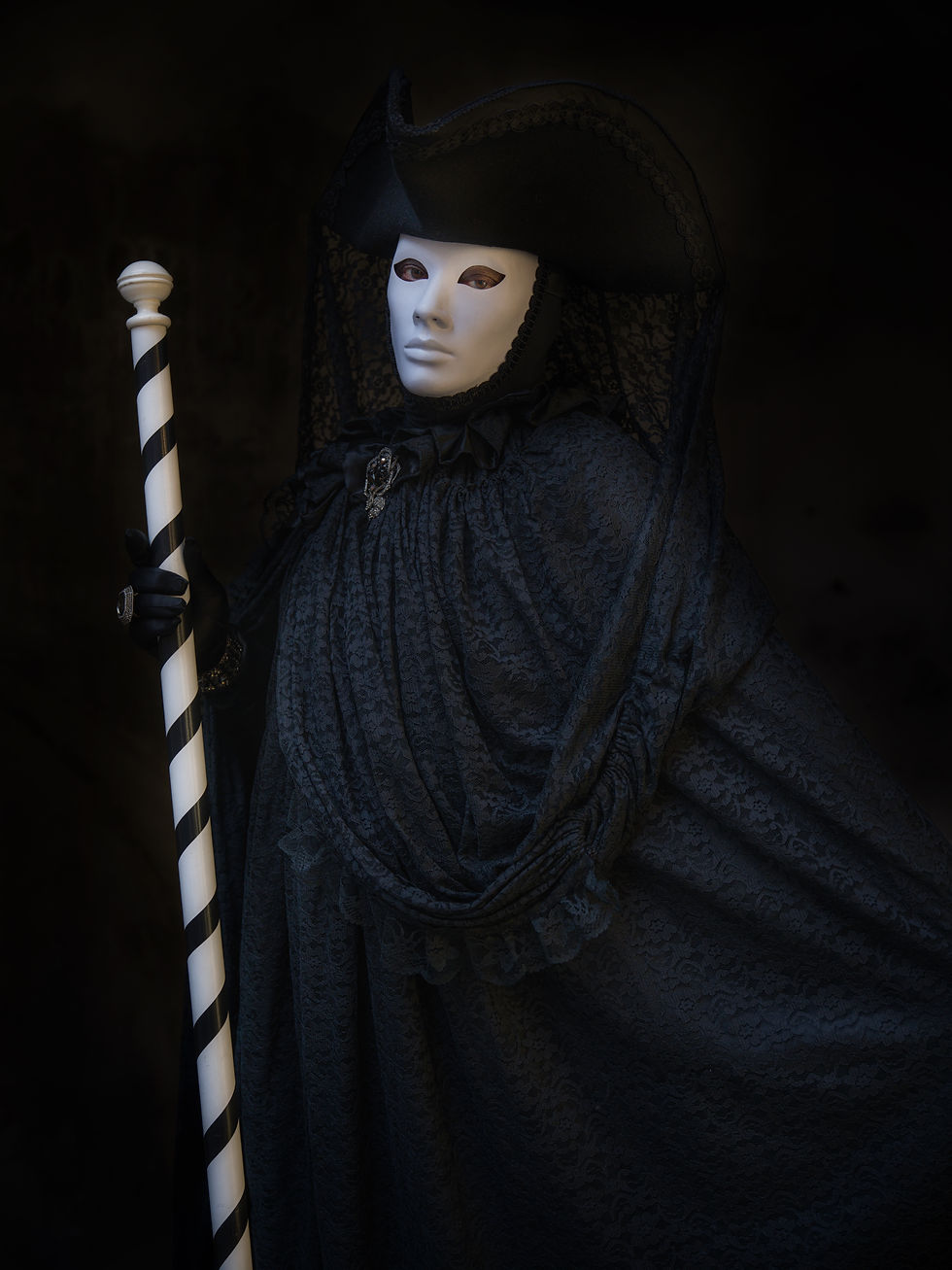
This AI-assisted cosplay photography project pays tribute to Alpha Flight, Marvel’s distinctly Canadian superhero team, reimagining its larger-than-life characters through the visual language of contemporary studio portraiture.
Rather than approaching the series as conventional comic-book illustration, the project asks a different question: what might Alpha Flight look like if its extraordinary members stepped out of the printed page and into a photographic studio?
The resulting portraits blend the heightened proportions and unmistakable costume designs of superhero comics with realistic faces, skin, hair, textiles and carefully controlled photographic lighting. A restrained olive-toned studio setting runs throughout the series, creating a consistent visual identity and allowing each character’s silhouette, colours and personality to dominate the frame.

At the heart of the project are Guardian and Vindicator, their bold red, white and black costumes immediately establishing Alpha Flight’s Canadian identity. Alongside them appear the striking monochrome forms associated with Northstar and Aurora, bringing a contrasting graphic elegance to the collection.

The wider and stranger world of Alpha Flight is represented through characters such as Snowbird, presented with an almost ethereal presence in icy blue and white; Shaman, whose green-and-gold costume introduces a more mystical dimension; the imposing Sasquatch, transformed into a massive yet convincingly physical creature; and the tremendously powerful Puck, interpreted here with an exaggerated superhero physique and rugged presence. In addition, I have included the other iconic female members Marina, Talisman and Purple Girl.


One of the most interesting aspects of the project is the deliberate tension between fantasy and photographic realism. Costumes retain their theatrical comic-book geometry, yet they are rendered as tangible garments—complete with seams, folds, surface textures and imperfections. Likewise, the characters remain extraordinary, but the treatment of their faces and bodies suggests real performers inhabiting these roles for an elaborate cosplay portrait session.


AI becomes part of the photographic creative process rather than simply an end in itself. It provides a means of exploring casting, costume construction, character interpretation and impossible physical transformations while maintaining a unified photographic aesthetic across an ensemble that ranges from human superheroes to mystical beings and enormous creatures.
Alpha Flight — Guardians of the North is ultimately a celebration of a superhero team that has always looked and felt different from the conventional American super-team. Through AI-assisted cosplay photography, these characters are given a new existence somewhere between comic-book mythology, costume performance and cinematic portraiture—a photographic imagining of Canada’s most extraordinary heroes brought vividly into the human world.
At its heart, Alpha Flight is both a nostalgic tribute and a love letter to the Marvel comics of the 1980s and 1990s. It celebrates a time when comic book racks were filled with bold costumes, epic storylines, and unforgettable heroes who inspired readers to dream of adventure, courage, and heroism. Through the fusion of cosplay, photography, and AI-assisted artistry, these classic super heroes are given a new life while remaining faithful to the spirit that made them enduring icons of popular culture.
Disclaimer: This is a non-commercial fanart and cosplay project created for artistic appreciation and creative expression. Characters and concepts are inspired by Alpha Flight by Marvel Comics. AI-assisted tools were used as part of the artistic workflow alongside photography, costume design, and digital post-production.


Comments