主頁
項目
關於我
攝影之旅, 書籍, 活動
獲獎作品 ... 受賞歴のある写真

Robin Yong Photography
写真家
華麗の冒険

The Art of Travel Medicine
網上商店
聯繫 ... 連絡先
博客...ブログ


晚清の時代京の劇

Scroll down to see more
Click on individual pictures to see them enlarged
Peking Opera (Jingju) fully blossomed in Beijing during the mid-to-late Qing Dynasty (1800s-1912), evolving from earlier regional forms, especially after the famous Four Anhui Troupes arrived in 1790 for Emperor Qianlong's birthday, merging with Kunqu and other styles to become a vibrant imperial entertainment, characterized by its rich blend of singing, martial arts, mime, acrobatics, stunning costumes, symbolic makeup (red for bravery, white for cunning), and distinct character roles (Sheng, Dan, Jing, Chou) that vividly portrayed Chinese history and myths for both court and public.
Peking opera was born when the Four Great Anhui Troupes brought Hui opera, or what is now called Huiju, in 1790 to Beijing, for the eightieth birthday of the Qianlong Emperor on 25 September. It was originally staged for the court and only made available to the public later. In 1828, several famous Hubei troupes arrived in Beijing and performed jointly with Anhui troupes. The combination gradually formed Peking opera's melodies. Peking opera is generally regarded as having fully formed by 1845. Although it is called Peking opera (Beijing theatre style), its origins are in the greater areas of the capital of Anhui province (the City of Anqing), including southern Anhui and eastern Hubei, which share the similar dialect of Xiajiang Mandarin (Lower Yangtze Mandarin).
During the second half of the 20th century, Peking opera witnessed a steady decline in audience numbers. This has been attributed both to a decrease in performance quality and an inability of the traditional opera form to capture modern life.
Peking opera in recent decades has shifted to a more director and playwright-centered model. Performers have striven to introduce innovation in their work while heeding the call for reform from this new upper level of Peking-opera producers.
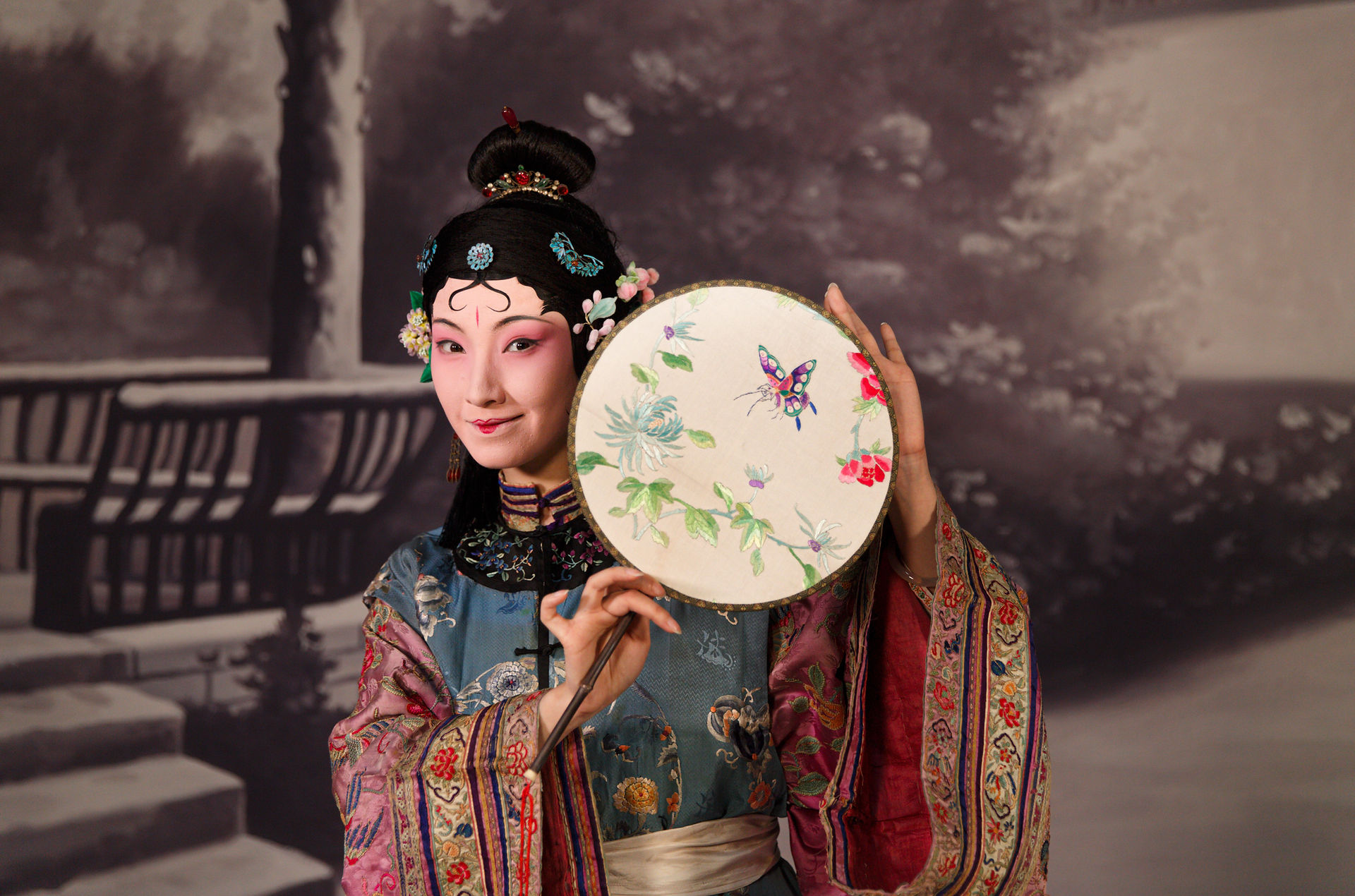
The photo project is done with the real experts in the field, artistes who have painstakingly collected the real antique pieces of costumes from the late Qing period and with the makeup done following old paintings from the same period to recreate the same feel from 200 years ago...


Robin Yong Photography
13 / 45 West Row, Canberra
Australian Capital Territory, ACT 2601
Australia
Tel: +61 0447746807
All images Ⓒ 2014-2026 Robin Yong
Travel/ Photography Services:
Photo Tours and Workshops
Travel Advice and Planning
Private shoots for Models and Celebrities
Fine Art Prints
Image Licensing
Exhibitions
Travel Photo Assignments
Brand/ product endorsements
Webpage design and production