


Li Bai 李白

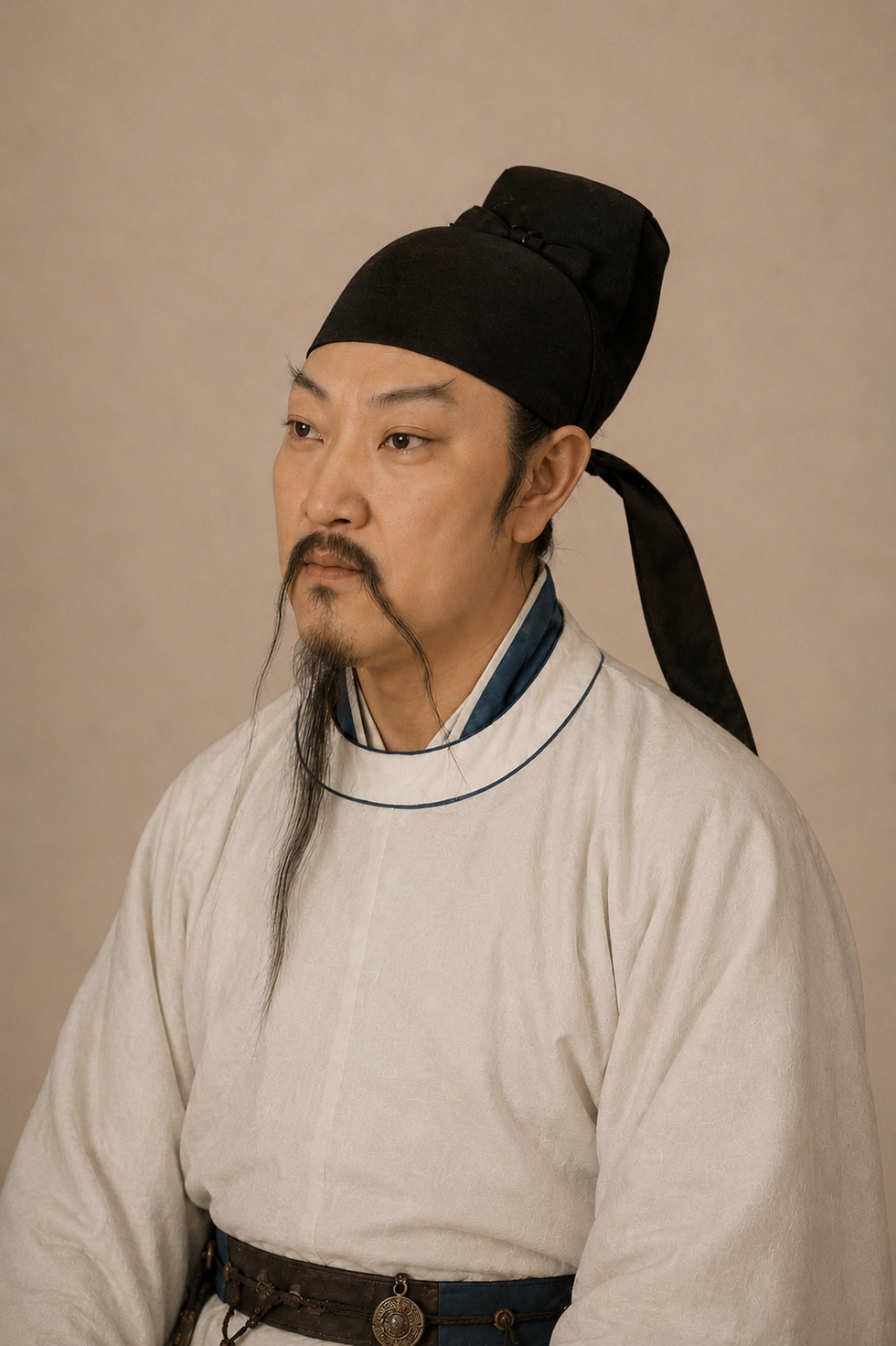
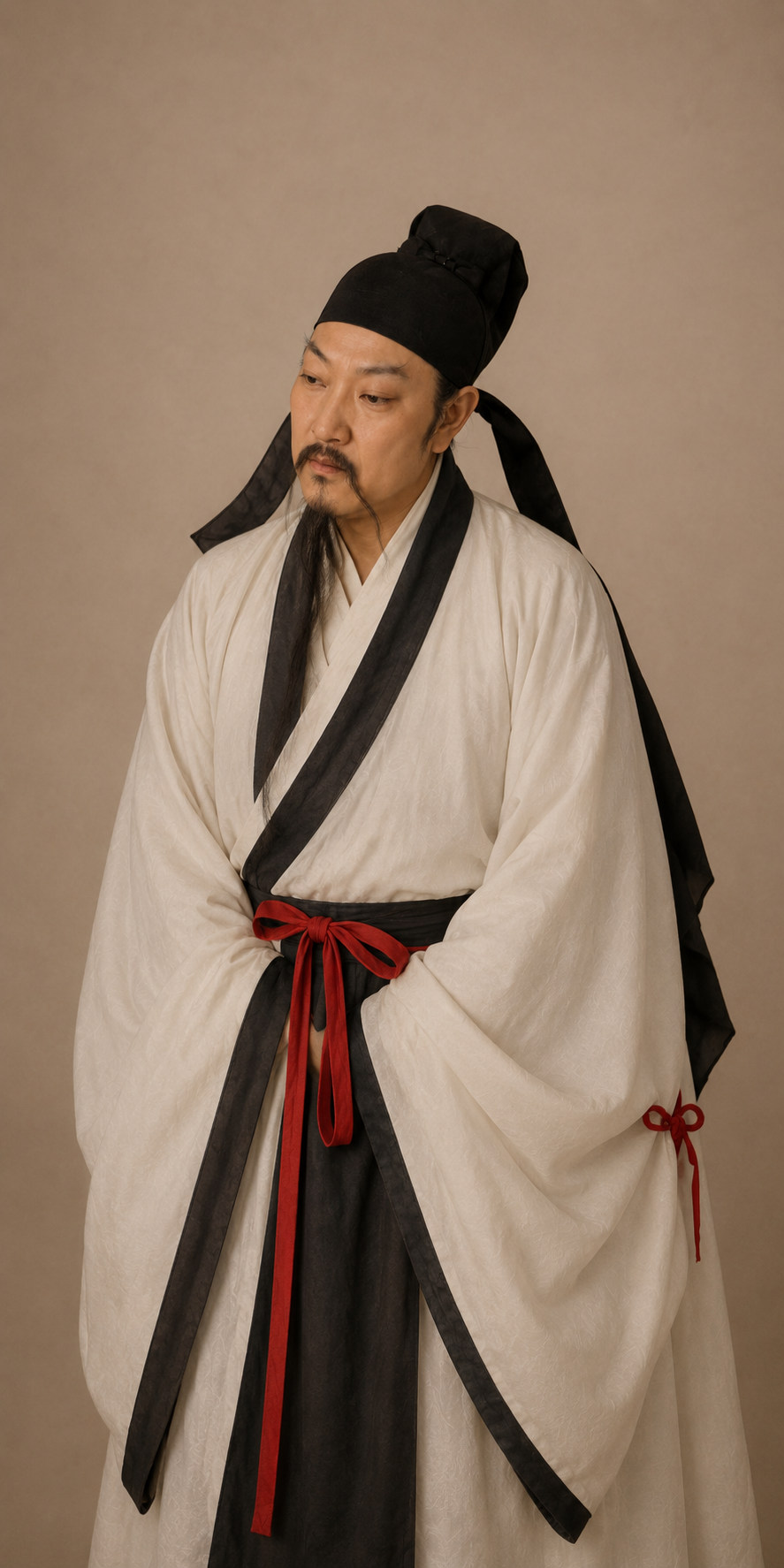
Li Bai (c. 701 – 762), also known by his courtesy name of Taibai, was a Chinese poet acclaimed as one of the best and most important poets of the Tang dynasty, and even in the whole of Chinese poetry. He and his friends such as Du Fu (712–770) were among the prominent figures in the flourishing of Chinese poetry of the Tang dynasty, often called the "Golden Age of Chinese Poetry". The expression "Three Wonders" denotes Li Bai's poetry, Pei Min's swordplay, and Zhang Xu's calligraphy.
Around 1,000 poems attributed to Li are extant. His poems have been collected into the most important Tang dynasty collection, Heyue yingling ji, compiled in 753 by Yin Fan. Thirty-four of Li Bai's poems are included in the anthology Three Hundred Tang Poems, which was first published in the 18th century. Around the same time, translations of his poems began to appear in Europe. In Ezra Pound's famous work Cathay (1915), Li Bai's poems enjoy the lion's share (11 out of 19).


Li Bai's poems became models for celebrating the pleasures of friendship, the depth of nature, solitude, and the joys of drinking. Among the most famous are "Waking from Drunkenness on a Spring Day" (春日醉起言志), "The Hard Road to Shu" (蜀道難),"Bring in the Wine" (將進酒), and "Quiet Night Thought", which are still taught in schools in China. In the West, multilingual translations of Li's poems continue to be made. His life has even taken on a legendary aspect, including tales of drunkenness and chivalry, and the well-known tale that Li drowned when he reached from his boat to grasp the moon's reflection in the river while he was drunk.


Much of Li's life is reflected in his poems, which are about places he visited; friends whom he saw off on journeys to distant locations, perhaps never to meet again; his own dream-like imaginings, embroidered with shamanic overtones; current events of which he had news; descriptions of nature, perceived as if in a timeless moment; and more. However, of particular importance are the changes in China during his lifetime. His early poems were written in a "golden age" of internal peace and prosperity, under an emperor who actively promoted and participated in the arts. This ended with the beginning of the rebellion of general An Lushan, which eventually left most of Northern China devastated by war and famine. Li's poems during this period take on new tones and qualities. Unlike his younger friend Du Fu, Li did not live to see the end of the chaos. Li Bai is depicted in the Wu Shuang Pu (无双谱; 無雙譜; 'Table of Peerless Heroes') by Jin Guliang.


This AI-assisted cosplay photography project reimagines Li Bai (李白), the legendary poet of the High Tang Dynasty, through a series of atmospheric, photorealistic portraits inspired by the aesthetics of classical Chinese painting. Rather than depicting him merely as a historical figure, these images seek to capture the spirit of the man celebrated for his boundless imagination, romantic temperament, and profound communion with nature.
Dressed in flowing ivory scholar’s robes that echo the understated elegance of Tang literati, Li Bai is portrayed in moments of quiet contemplation. Whether seated upon weathered scholar’s rocks beneath a luminous moon, gazing into mist-covered mountains, or standing before cascading waterfalls, each composition evokes the poetic landscapes that shaped his verses. The restrained palette of warm earth tones, soft sepia light, and delicate textures lends the portraits the timeless quality of an ancient handscroll brought vividly to life.
The carefully recreated costumes reflect the refined simplicity associated with Tang scholars, while the natural settings—pine trees, moonlit gardens, rugged cliffs, waterfalls, and ornamental rocks—symbolize the harmony between humanity and the Dao that permeates Li Bai’s poetry. His contemplative expressions suggest moments of inspiration, as though each scene captures the instant before another immortal verse is committed to paper.
The cinematographic lighting combines the intimacy of studio portraiture with the dreamlike atmosphere of traditional Chinese ink landscapes. Soft diffused illumination accentuates the flowing fabrics and expressive features, while subtle mists and layered scenery create a sense of depth reminiscent of Song and Tang landscape paintings. The result is a seamless fusion of historical authenticity and contemporary photographic artistry.
Beyond historical reconstruction, this collection pays tribute to Li Bai’s enduring legacy as the “Immortal Poet” (詩仙). His poems celebrated friendship, wine, mountains, rivers, moonlight, and the fleeting beauty of life with unmatched lyricism. These portraits strive to embody that same poetic freedom—portraying not simply a celebrated writer, but a wandering sage whose imagination transcended the boundaries of the earthly world.
By blending AI-assisted image generation with meticulous cosplay, historical costume design, and fine-art portrait photography, the project offers a contemporary visual interpretation of one of China’s greatest literary icons. It invites viewers to step into the tranquil, dreamlike world of the Tang Dynasty and experience Li Bai not only as history remembers him, but as generations of readers have imagined him: a solitary genius wandering beneath the moon, forever finding poetry in the beauty of the natural world.


Comments