


Betty Boop 貝蒂娃娃 ベティ・ブープ
- Robin Yong

- 1 hour ago
- 5 min read

Betty Boop is a cartoon character designed by Grim Natwick at the request of Max Fleischer. She originally appeared in the Talkartoon and Betty Boop film series, which were produced by Fleischer Studios and released by Paramount Pictures. She was featured in 90 theatrical cartoons between 1930 and 1939. She has also been featured in comic strips and prolific mass merchandising throughout the decades, and two television specials in the 1980s. In 2025, Boop! The Musical debuted on Broadway.
A caricature of a Jazz Age flapper, Betty Boop was described in a 1934 court case as "combin[ing] in appearance the childish with the sophisticated—a large round baby face with big eyes and a nose like a button, framed in a somewhat careful coiffure, with a very small body of which perhaps the leading characteristic is the most self-confident little bust imaginable". She was toned down in the mid-1930s as a result of the Hays Code to appear more modest, and has become one of the world's best-known and most popular cartoon characters.
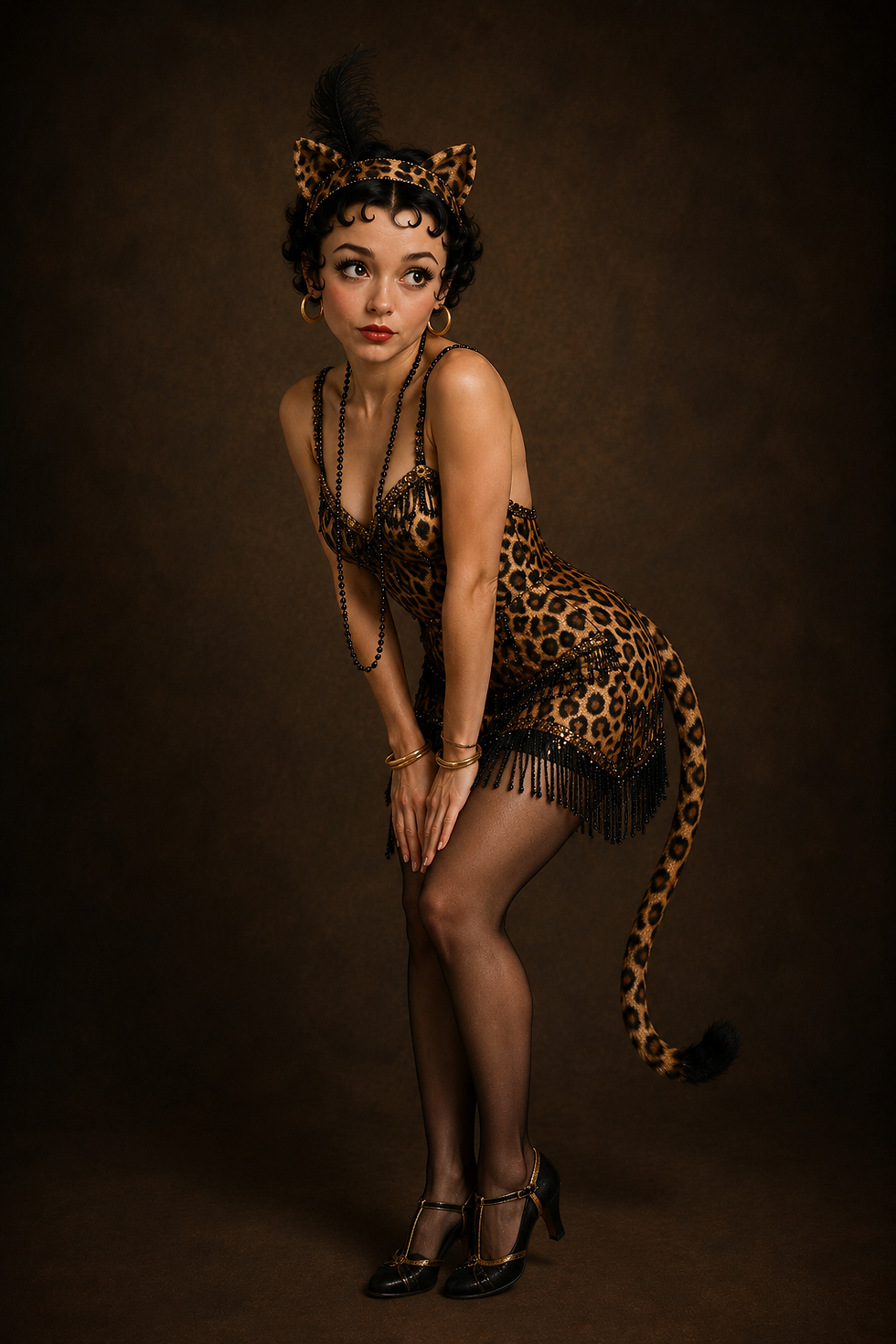
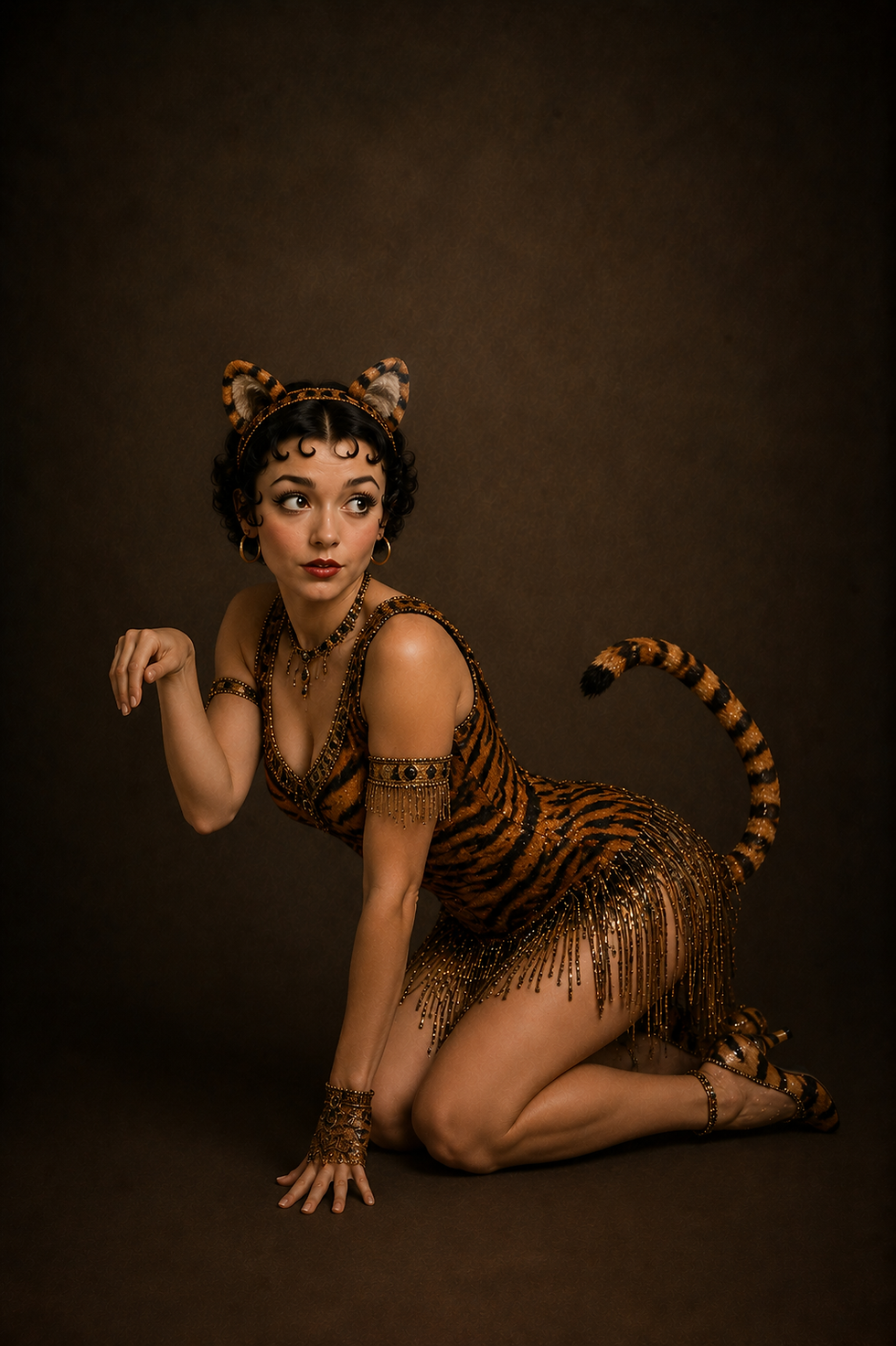
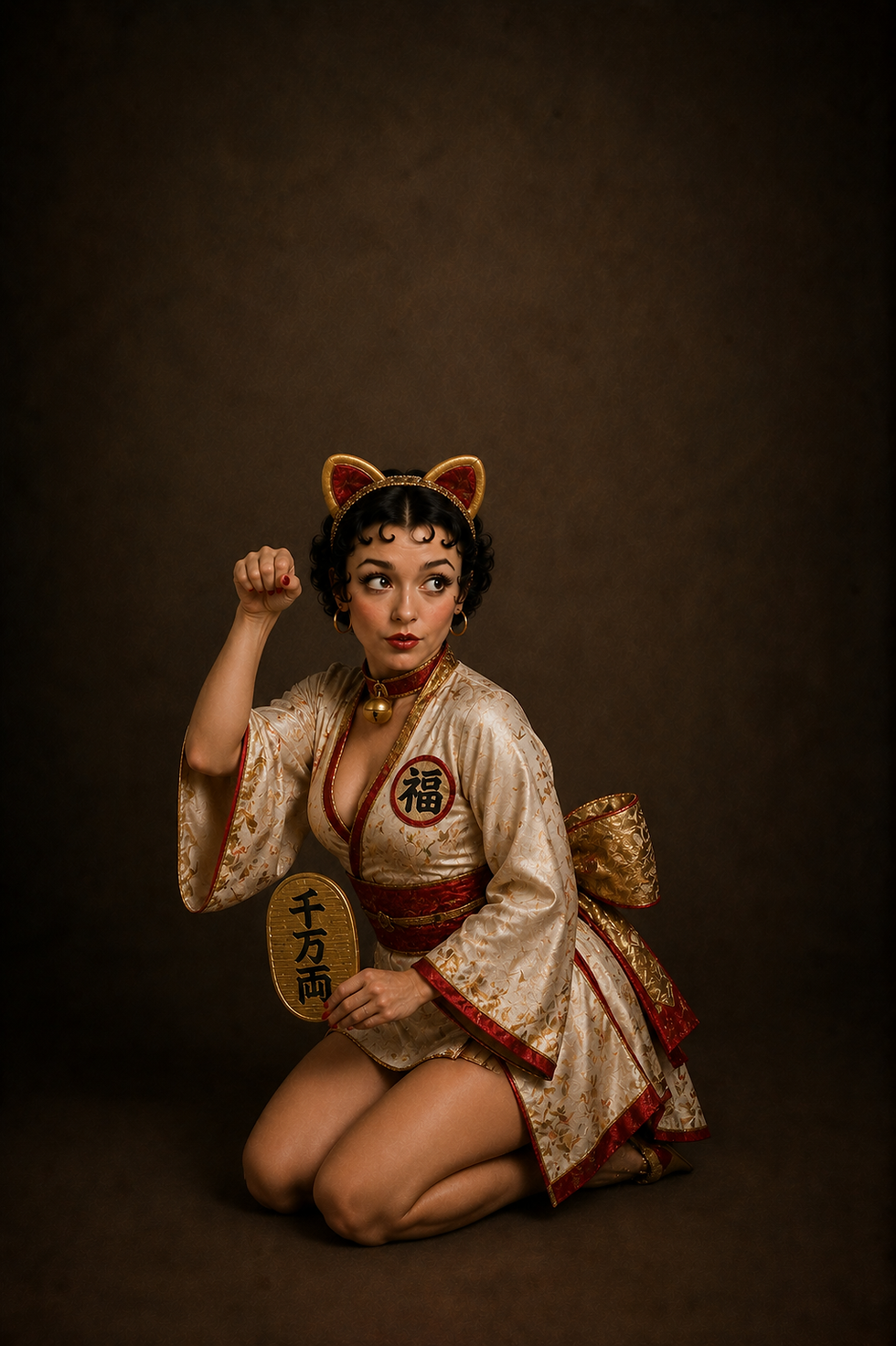
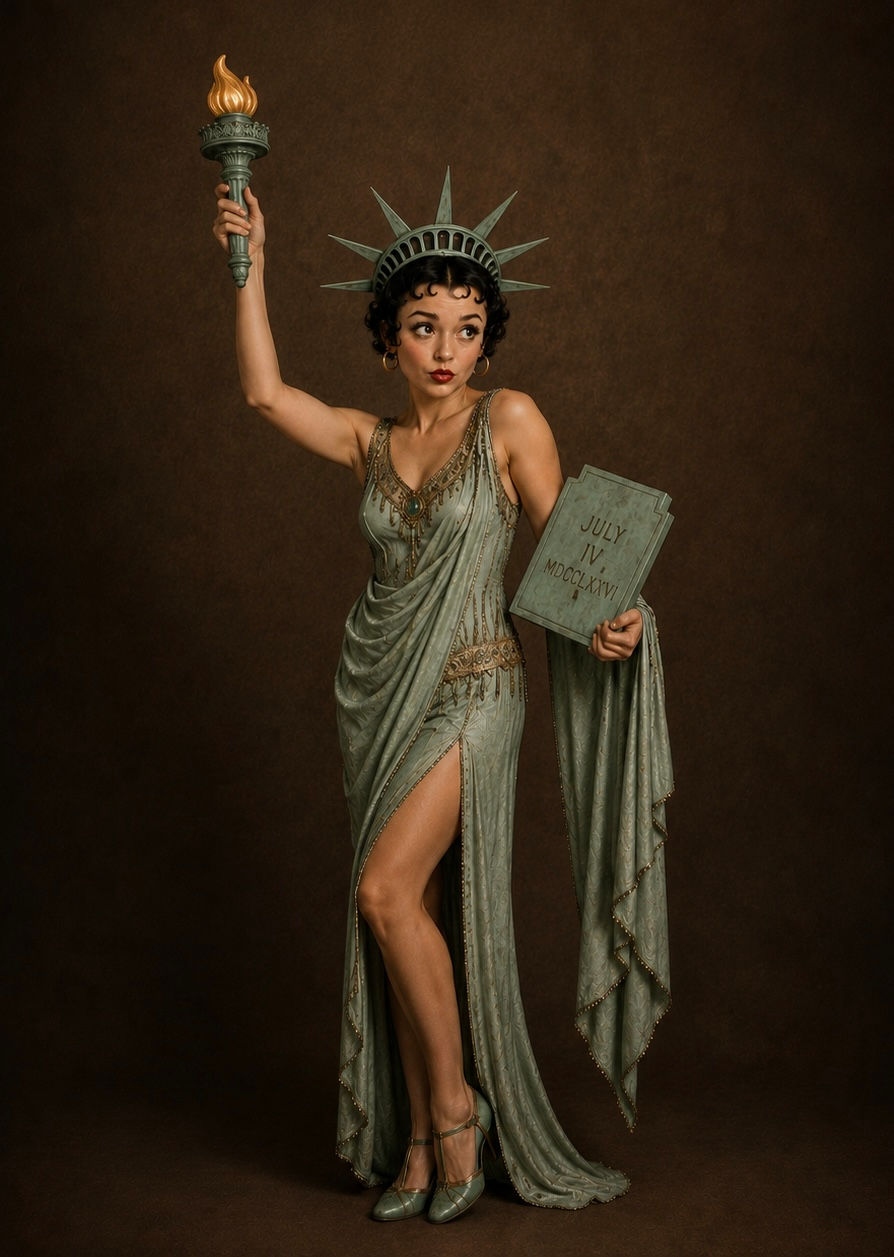
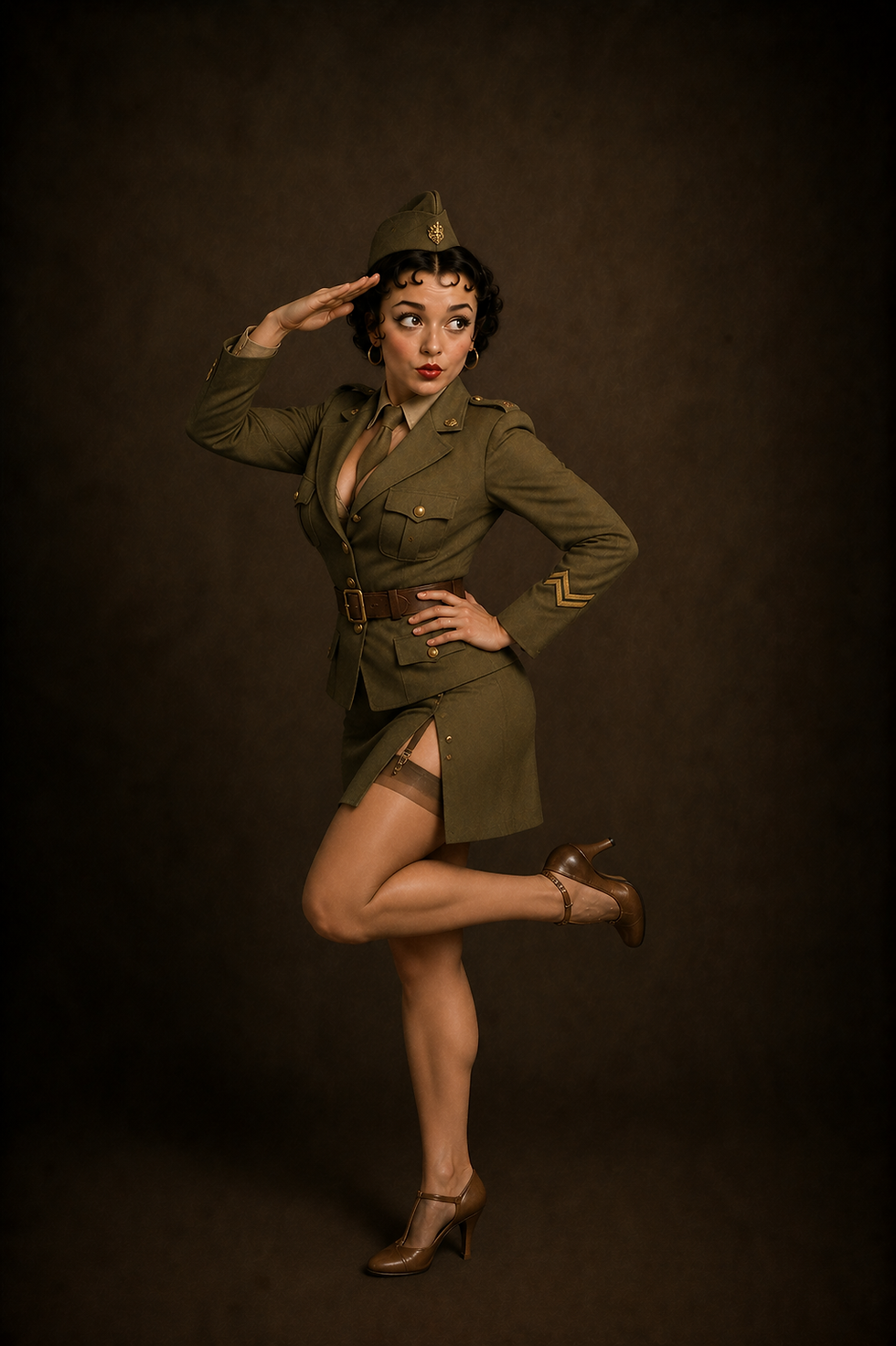
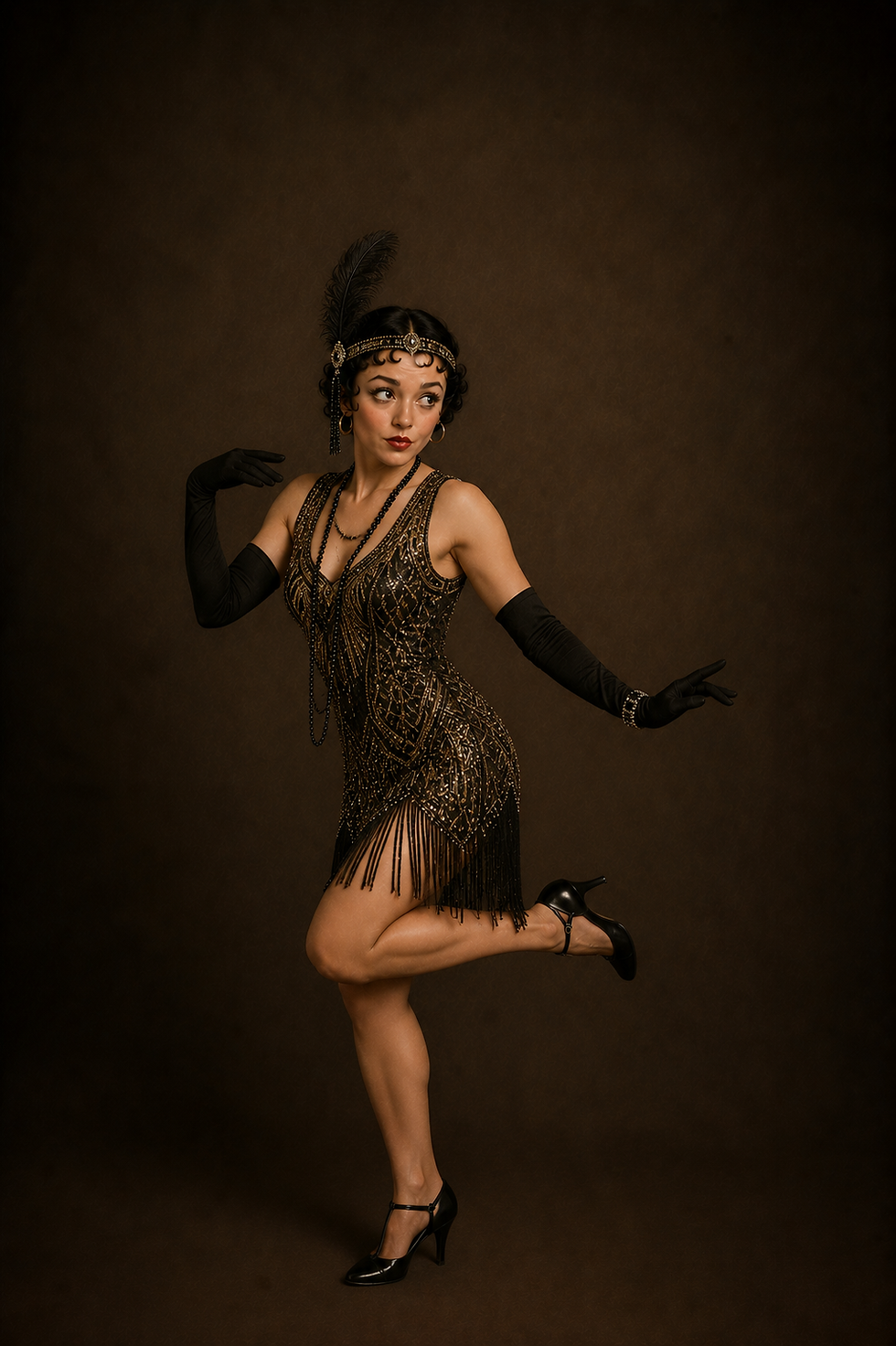
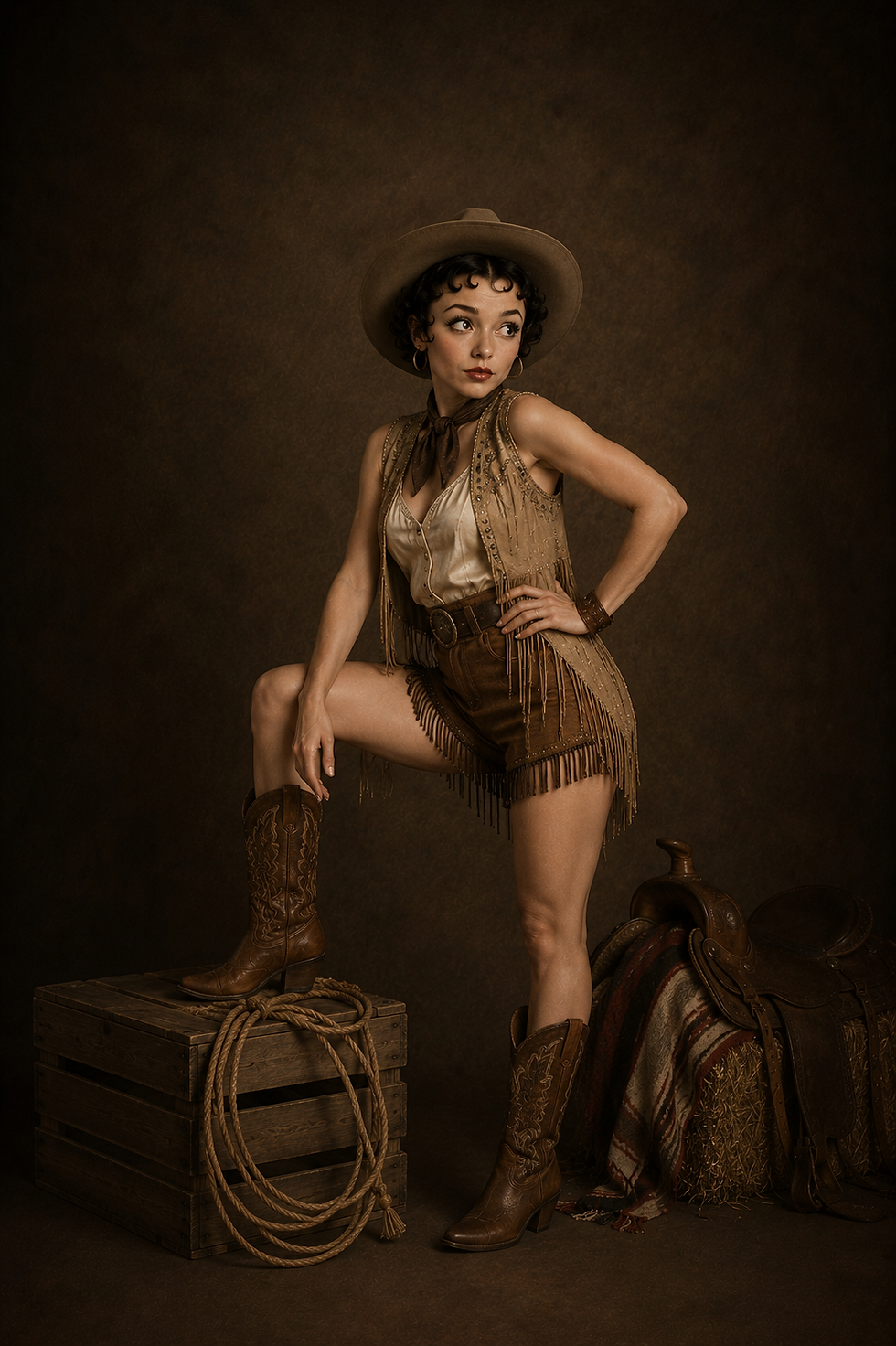
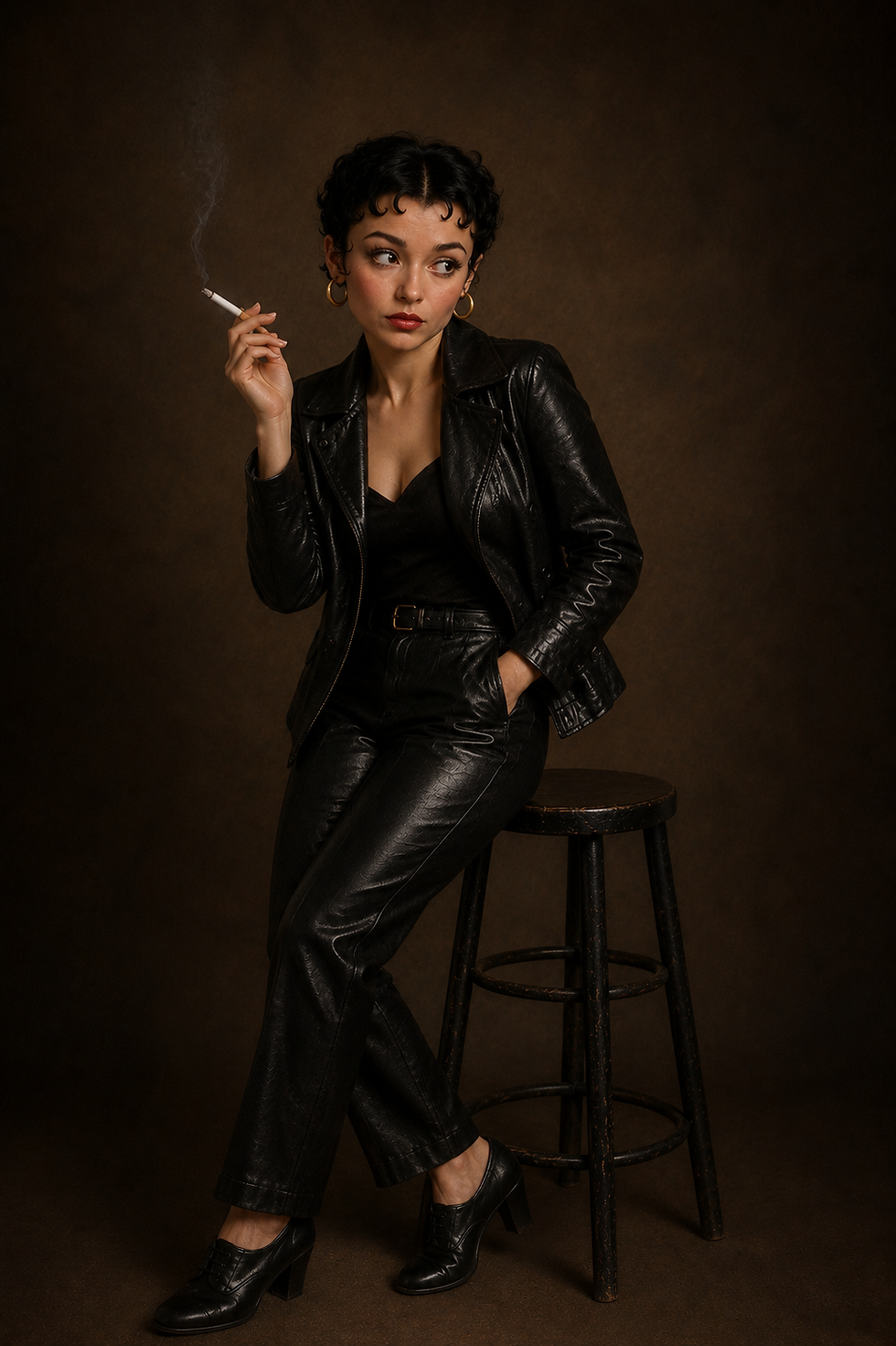
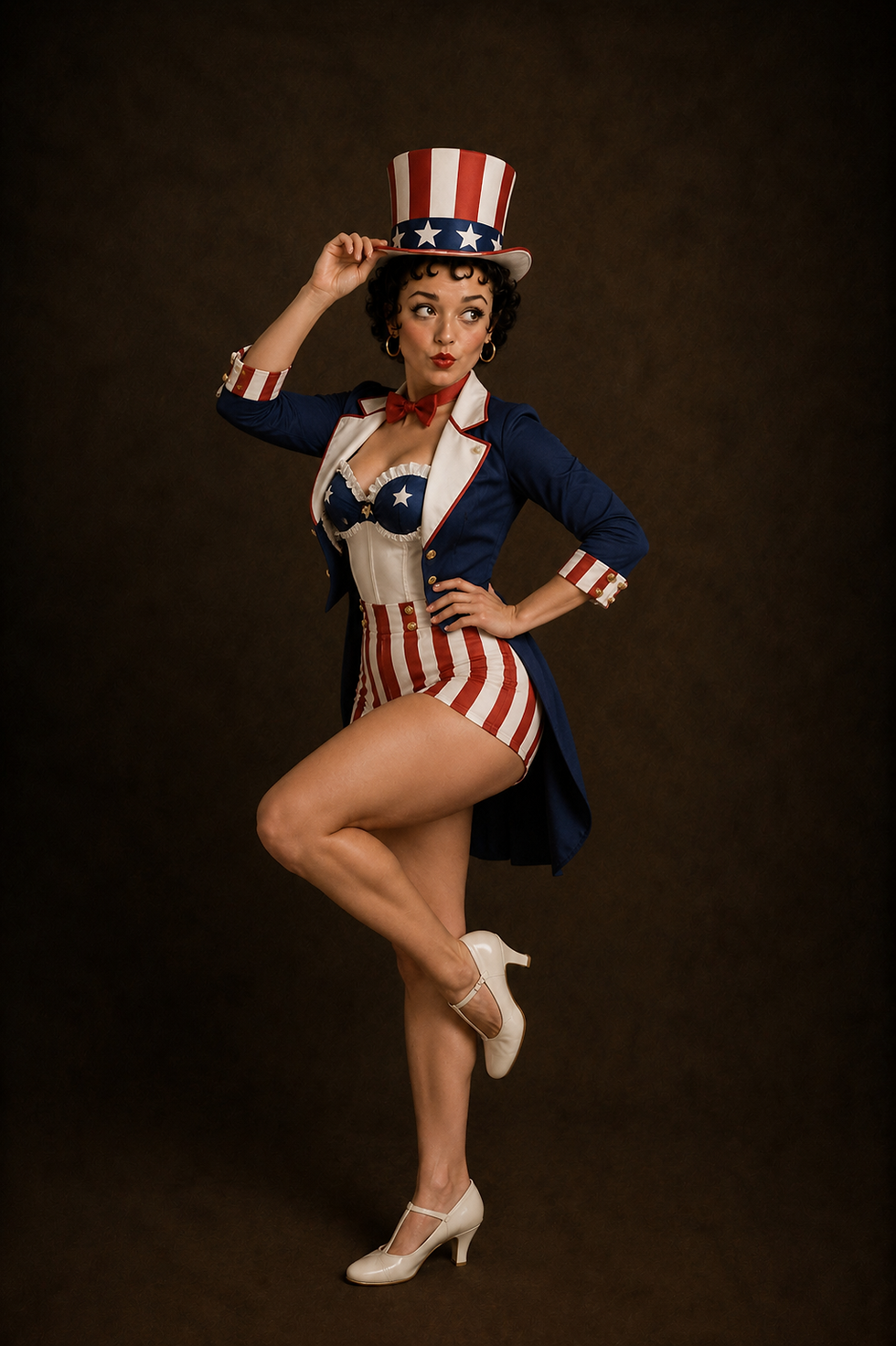
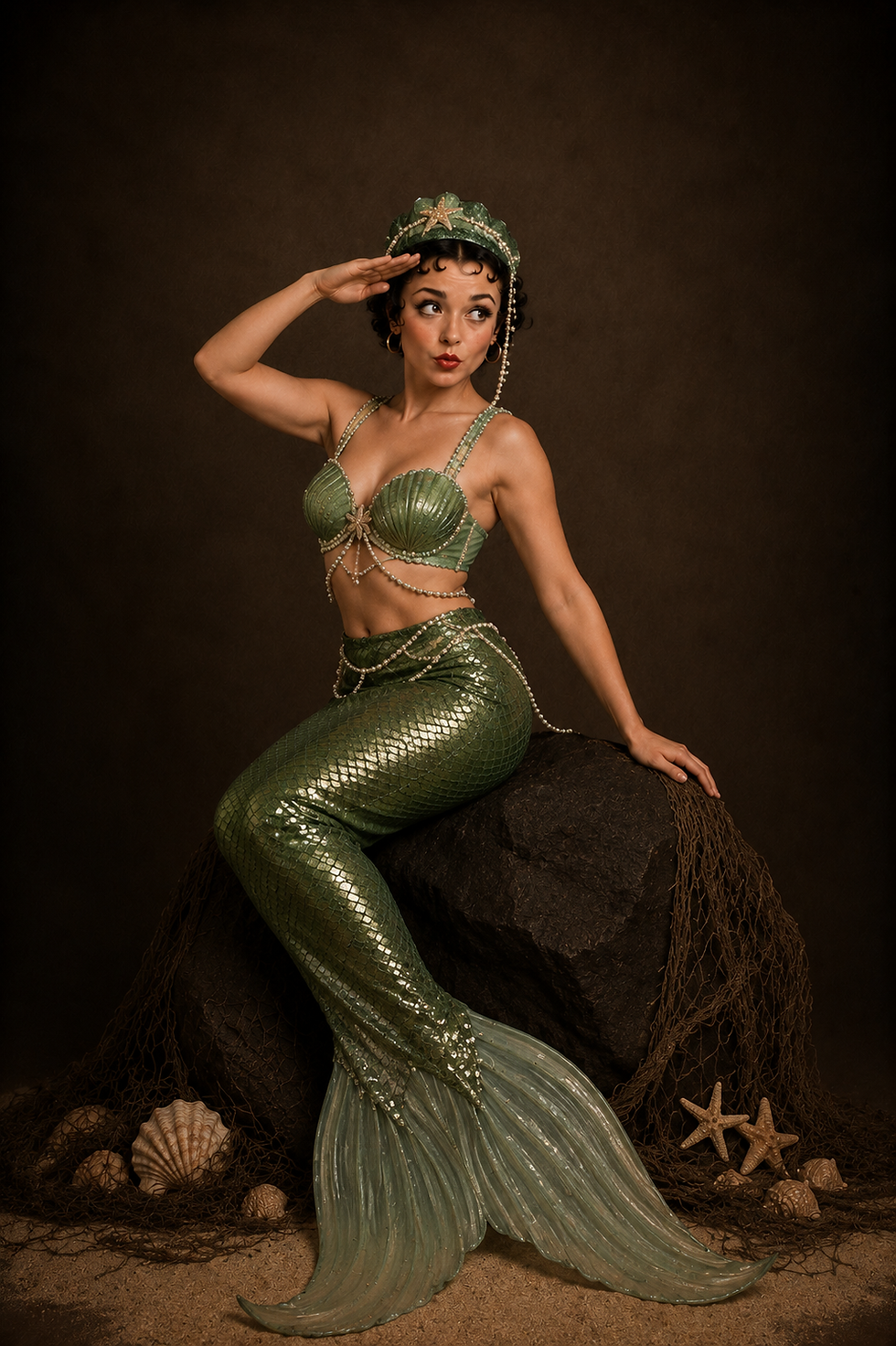
This photo project is a playful and imaginative celebration of Betty Boop, one of animation’s most beloved and recognizable characters. Combining traditional cosplay, studio portraiture, and AI-assisted creative enhancement, the series reimagines Betty not as a single character, but as a collection of alternate identities drawn from history, fantasy, mythology, and popular culture.
Set against a timeless vintage studio backdrop, each portrait explores a different facet of Betty’s personality. The familiar wide-eyed charm, expressive poses, and unmistakable 1930s glamour remain constant, while the costumes transport her into entirely new worlds. She becomes a flirtatious starlet in crimson, a personification of liberty holding her torch high, an Egyptian-inspired feline goddess, a lucky beckoning cat from East Asian folklore, and a playful vintage nurse straight from the golden age of pin-up illustration.
Rather than seeking strict historical or character accuracy, the project embraces the spirit of fanart—an affectionate reinterpretation of a cultural icon. AI-assisted techniques were used as a creative tool to help visualize costumes, styling, and fantasy concepts while preserving the handcrafted feel of a classic studio portrait session. The result is a series that bridges old and new: the nostalgia of early animation, the artistry of cosplay, and the possibilities of contemporary digital creativity.


Betty Boop made her first appearance in the cartoon Dizzy Dishes, released on August 9, 1930, the seventh installment in Fleischer's Talkartoon series. Inspired by a popular performing style, the character was originally created as an anthropomorphic French poodle. Clara Bow is sometimes given credit as being the inspiration for Boop, though Fleischer told his artists that he wanted a caricature of singer Helen Kane. Kane later sued Fleischer over the signature "Boop Oop a Doop" line. The court ruled in favor of the studio, who argued that Kane's style of singing—including an infantile voice and use of the phrase "boop-boop-a-doop"—was not her own invention and was inspired by other performers such as Esther Jones, A.K.A. Baby Esther. Betty Boop appeared as a supporting character in ten cartoons as a flapper girl with more heart than brains. In individual cartoons, she was called "Nancy Lee" or "Nan McGrew"—derived from the Helen Kane film Dangerous Nan McGrew (1930)—usually serving as a girlfriend to studio star Bimbo.
Within a year, Betty made the transition from an incidental human-canine breed to a completely human female character. While much credit has been given to Grim Natwick for helping to transform Max Fleischer's creation, her transition into the cute cartoon girl was also in part due to the work of Bernard Wolf, Otto Feuer, Seymour Kneitel, Roland "Doc" Crandall, Willard Bowsky, and James "Shamus" Culhane. By the release of Any Rags, Betty Boop was forever established as a human character. Her floppy poodle ears became hoop earrings, and her black poodle nose became a girl's button-like nose.

Betty Boop is regarded as one of the first and best-known sex symbols on the animated screen; she is a symbol of the Depression era and a reminder of the more carefree days of Jazz Age flappers. Her popularity was drawn largely from adult audiences, and the cartoons, while seemingly surreal, contained many sexual and psychological elements, particularly in the 1932 "Talkartoon" Minnie the Moocher (1932), featuring Cab Calloway and his orchestra.

Minnie the Moocher defined Betty's character as a teenager of a modern era, at odds with the old-world ways of her parents. In the cartoon, after a disagreement with her strict parents, Betty runs away from home, accompanied by her boyfriend Bimbo, only to get lost in a haunted cave. A ghostly walrus (rotoscoped from live-action footage of Calloway) sings Calloway's song "Minnie the Moocher", accompanied by several other ghosts and skeletons. This haunting performance sends the frightened Betty and Bimbo back to the safety of home. "Minnie the Moocher" served as a promotion for Calloway's subsequent stage appearances and also established Betty Boop as a cartoon star. The eight Talkartoons that followed all starred Betty, leading her into her own series beginning in 1932. With the release of Stopping the Show (August 1932), the Talkartoons were replaced by the Betty Boop series, which continued for the next seven years.

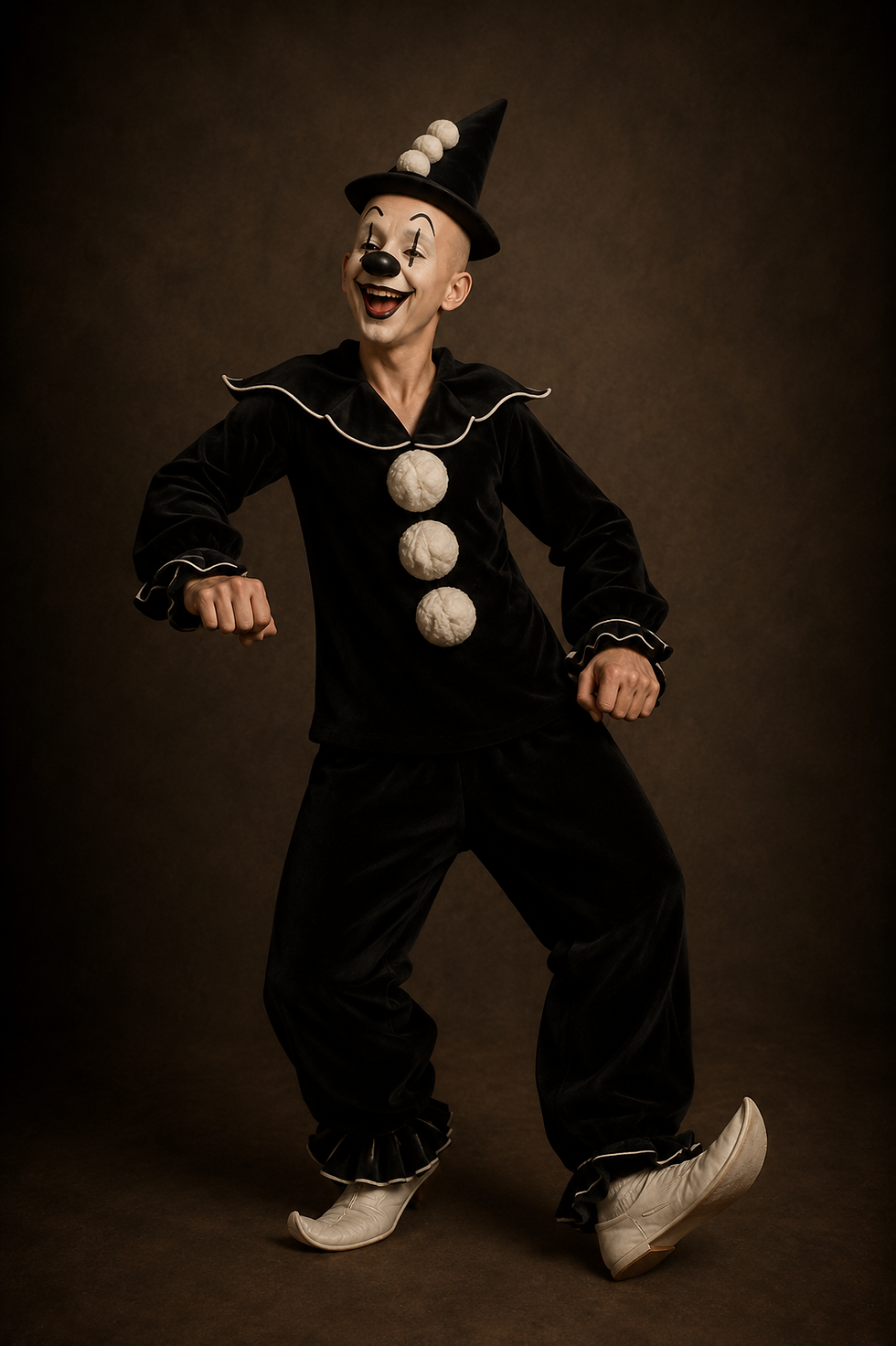
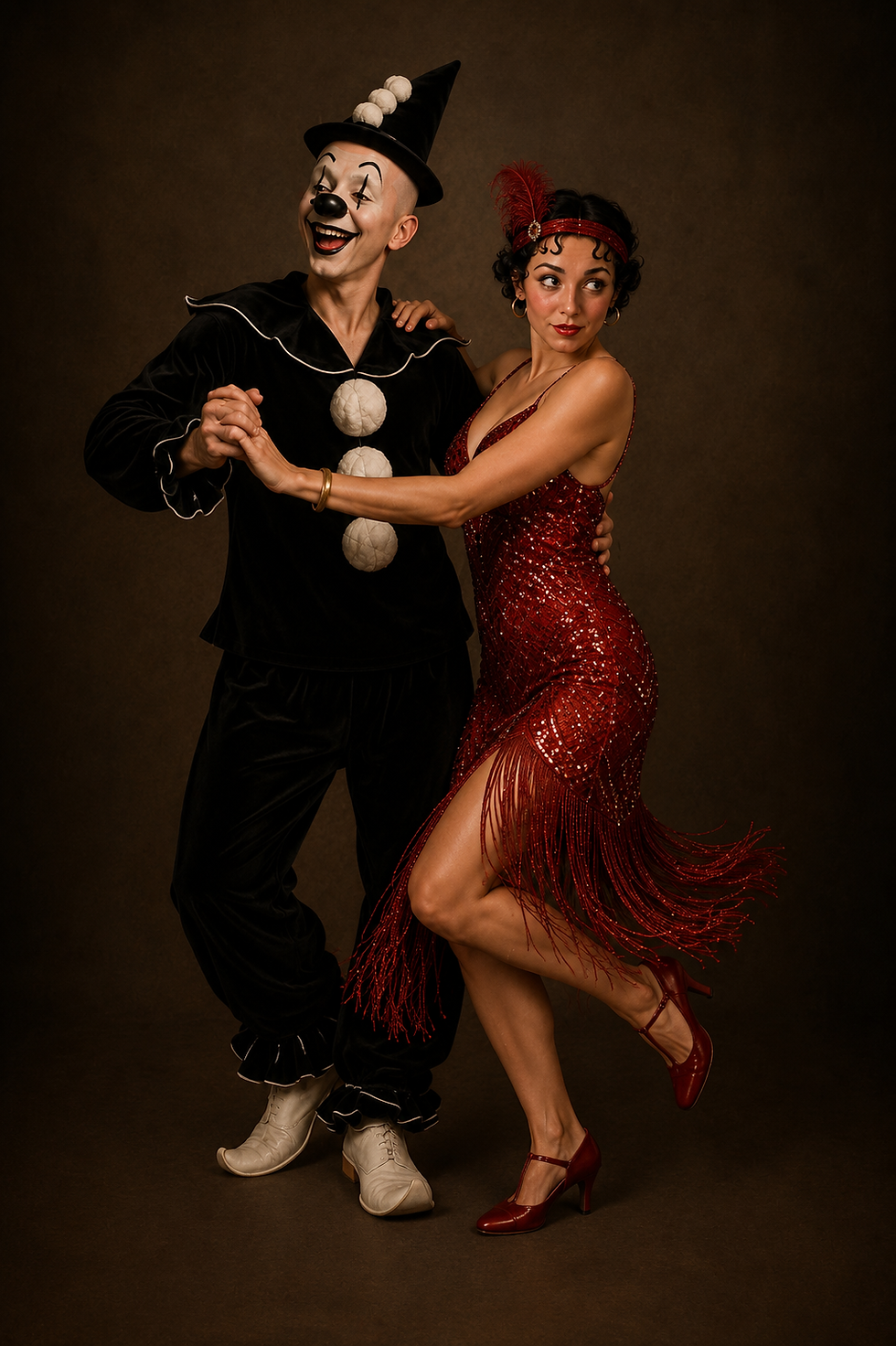
I have included in the photo project two other classical characters associated with Betty Boop...Fearless Fred and Koko the Clown. Fearless Fred and Koko the Clown are classic animated characters from the golden age of Max Fleischer Studios. They frequently appeared together in the 1930s Betty Boop cartoons alongside other Fleischer mainstays like Bimbo.
Fearless Fred is Betty Boop's semi-regular boyfriend who appeared in the earlier cartoon series from 1934 to 1935. He made his first appearance in She Wronged Him Right. In Betty Boop's Trial, Fred the policeman chases Betty as she unintentionally exceeds the speed limit. She is taken to traffic court after being arrested. Throughout 1934, Fearless Fred had a number of more cameos in the films Betty Boop's Life Guard, There's Something About a Soldier, and Betty Boop's Prize Show.
His final animated film was the melodramatic No! No! A Thousand Times No!! from 1935.
Additionally, he made a one-off appearance in the 1985 animated feature The Romance of Betty Boop and the original comic strip series. In the comic strip, he was replaced by his counter-part Van Twinkle. The major differences between Fearless and Twinkle, is that Twinkle is European and is secretly a homosexual, according to The Life and Times of Betty Boop. Fred was last seen in Betty Boop's Big Break, a 1990 comic book special in which he appears as a lifeguard. In the Fleischer's Animated News, Fred was shown to have had married Betty.






Originally created in 1918 by animator Max Fleischer, Koko was one of the first animated cartoon stars of the silent film era in the Out of the Inkwell series. He is recognized by his white-painted face, black frilled costume, and pom-poms. He was famous for his surreal ability to detach his own limbs and interact with the real world (thanks to rotoscoping) before eventually becoming a supporting staple in the Betty Boop shorts.

And in 1932, Popeye the Sailor meets the iconic Betty Boop in a rare cartoon crossover. While billed as a Betty Boop cartoon, Betty Boop only makes a small appearance, as it actually starred Popeye the Sailor in his first animated appearance. This cartoon was banned in some countries due to Betty Boop's nudity.

At its heart, Betty Boop is a tribute to reinvention. For nearly a century, Betty Boop has represented confidence, humor, independence, and charm. This collection imagines the many adventures she might have experienced if she could step beyond the cartoon screen and into a thousand different stories.
This project is an AI-assisted fanart and cosplay tribute inspired by the classic character Betty Boop. It is created purely for artistic appreciation and creative expression.


Comments