


Peking Opera: Peony Pavillon 京劇: 牡丹亭
- Robin Yong

- Mar 1
- 3 min read

The Peony Pavilion (Chinese: 牡丹亭) also named The Return of Soul at the Peony Pavilion, is a romantic tragicomedy play written by dramatist Tang Xianzu in 1598. The plot was drawn from the short story Du Liniang Revives For Love and depicts a love story between Du Liniang and Liu Mengmei that overcomes all odds. Tang's play diverges from the short story in that it integrates elements of the Ming dynasty, despite being set in the Southern Song.
The play was originally written for staging as Kunqu opera, one of the genres of traditional Chinese theatre arts. It was first performed in 1598 at the Pavilion of Prince Teng. Its author, Tang Xianzu, was one of the greatest dramatists and writers of the Ming dynasty, and The Peony Pavilion can be regarded as the most successful masterpiece of his life. It is also one of the dramas in Tang's famous collection Linchuan si meng (The Four Dreams in the Jade Tea Hall), along with Zichai Ji (The Purple Hairpin), Nanke Ji (A Dream Under the Southern Bough) and Handan Ji (The Handan Dream). Both the play and its dramatist get a high reputation on Chinese and international stages, and the study of Tang Xianzu has become a popular subject today.
The play has a total of 55 scenes, which can run for more than 22 hours on stage.

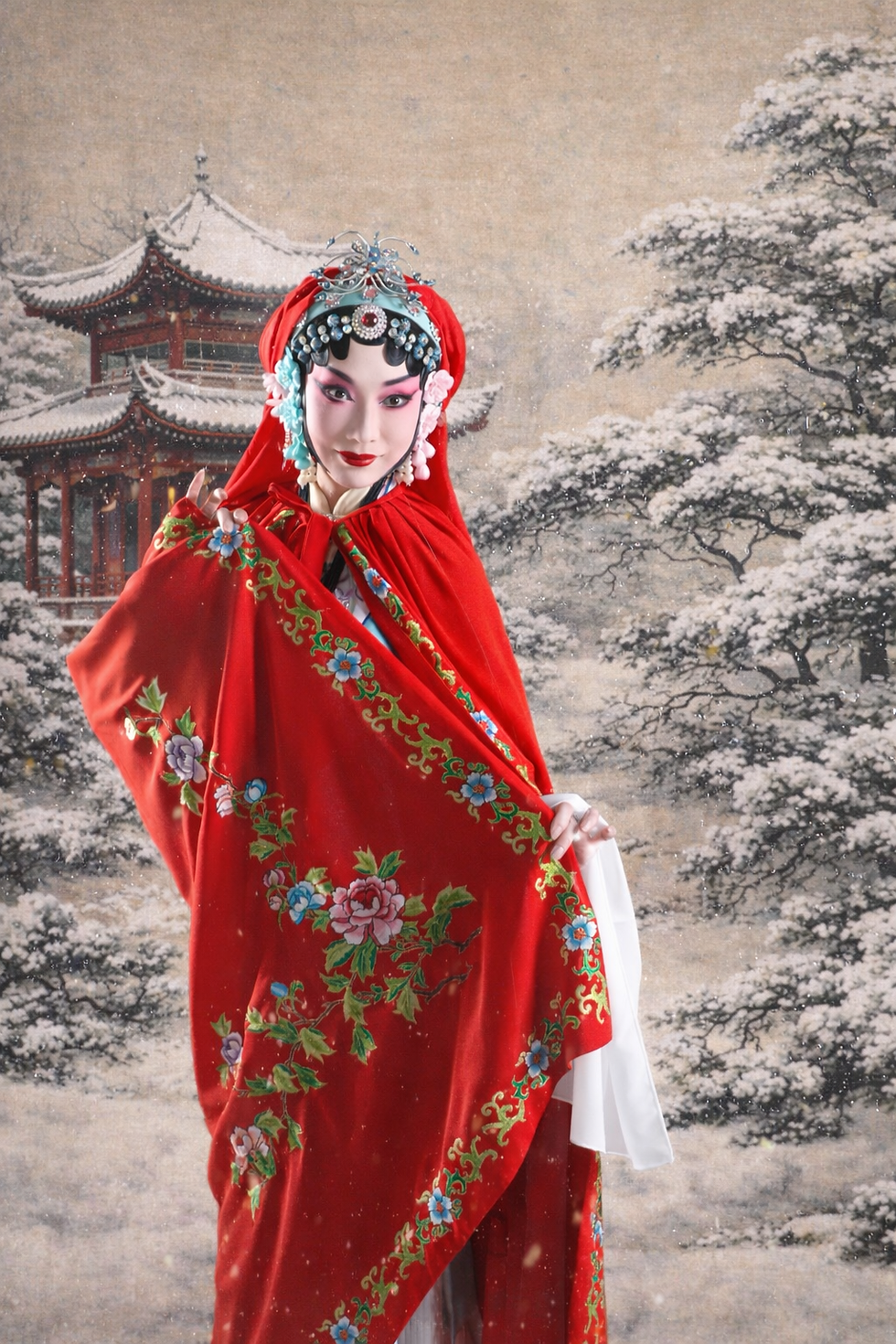


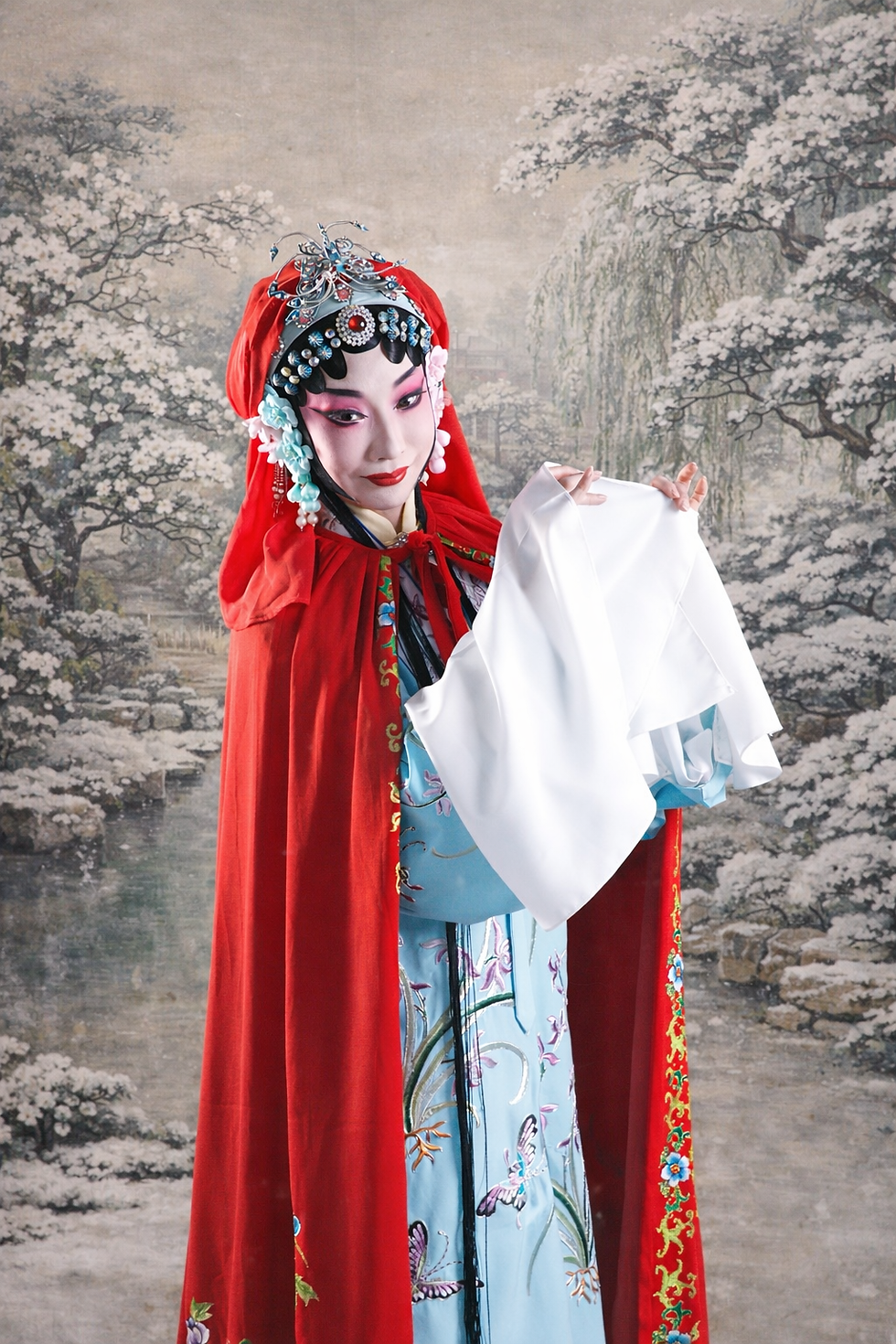
The story is set in the last days of the Southern Song dynasty. The stage performances traditionally center on the romance between Du Liniang and Liu Mengmei, although the original text also contained subplots pertaining to the falling Song dynasty's defense against the aggression of the Jin dynasty. The romantic theme goes along the following outline.
On a fine spring day, her maid persuades Miss Du Liniang, the sixteen-year-old daughter of a senior official, Du Bao, to take a stroll in the garden, where she falls asleep and has a dream. In that fateful dream, Liniang encounters a young scholar (identified later in the play as Liu Mengmei, whom in real life she has never met). Liu Mengmei's bold advances ignite a passionate love affair between the two that flourishes rapidly. A flower petal that drops on Liniang startles her from the romantic dream (according to her soliloquy in a later act, "Retracting the Dream"). However, Liniang cannot get the oneiric love affair out of her mind since and her lovesickness quickly wastes her away. Unable to recover from her fixation, Liniang dies shortly after.


The president of the underworld adjudicates that marriage between Du Liniang and Liu Mengmei is predestined and Liniang ought to return to the earthly world. Liniang subsequently appears to Liu Mengmei, who now inhabits the garden where Du Liniang had her fatal dream, in his various dreams. Recognizing that Du Bao's deceased daughter is the girl who appears in his dreams, Liu agrees to exhume Liniang's body upon her request and bring her back to life. Liu Mengmei then visits Du Bao to inform him of his daughter's resurrection as well as their relationship. The disbelieving and furious Du Bao throws Liu Mengmei into prison for being a grave robber and an impostor.
The ending of the story follows the formula for many popular Chinese dramas. Liu Mengmei narrowly escapes death by torture thanks to the arrival of the results of the imperial examination in which Liu has proved himself to be of great talent and value. The emperor pardons and delivers rewards to all.

Peking Opera developed in Beijing during the mid-Qing dynasty, with its origins traced to a 1790 performance by four Anhui troupes for the Qianlong Emperor's 80th birthday. The Anhui troupes, along with Hubei troupes, stayed in Beijing and developed the new style that became known as Peking Opera. The art form reached its peak of popularity within the Qing imperial court, where it was considered a national treasure.
Peony Pavillon is a real classic and still remains one of the most popular plays nowadays.
These ones are modern/ current era costumes of Peking Opera. From my recent trip to Shanghai.
The model is a well-known Chinese actress.
The makeup artiste and costumer is also a well-known opera actor very active in the fashion world and has appeared in GQ fashion magazines.
Photo Concept is to mimic those old China posters and calendars from the early 1980s…
Starring 奥黛麗佳 as 杜麗娘
Makeup and costumes by 方林飛


Comments